
WHAT WE'RE BUILDING
The Sovereignty Blueprint
A model built to succeed when we step away. Five pillars geared toward individual autonomy and community wellbeing.
What we've accomplished across all 5 pillars so far
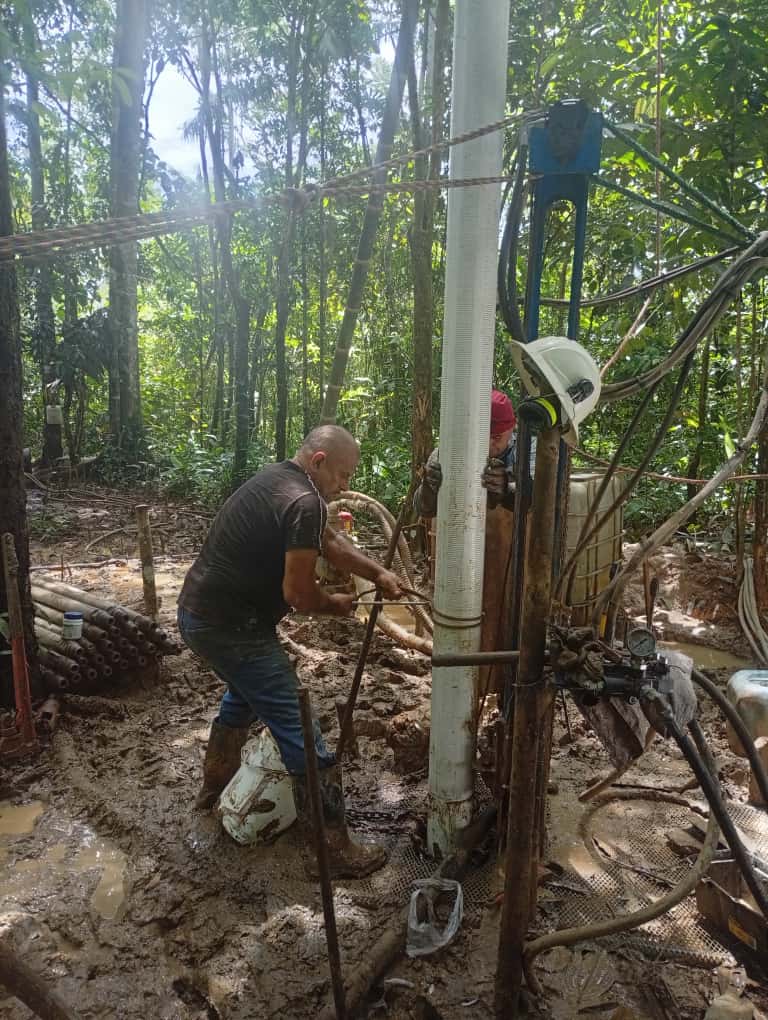
01Clean Water
- 50 m water well drilled, tested + operational
- 75 community members with clean, fresh water (+ tele-health assessments)
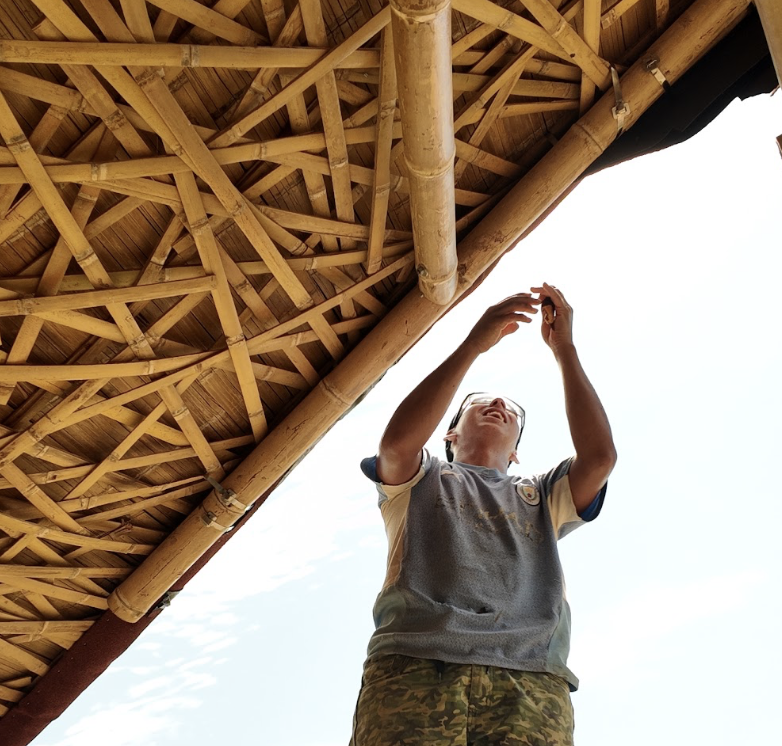
02Sustainable Infrastructure
- 1,000m² Community Center built
- Carpentry workshop built
- Bamboo treatment center built
- 20+ trained & paid in construction, 17 in advanced curing
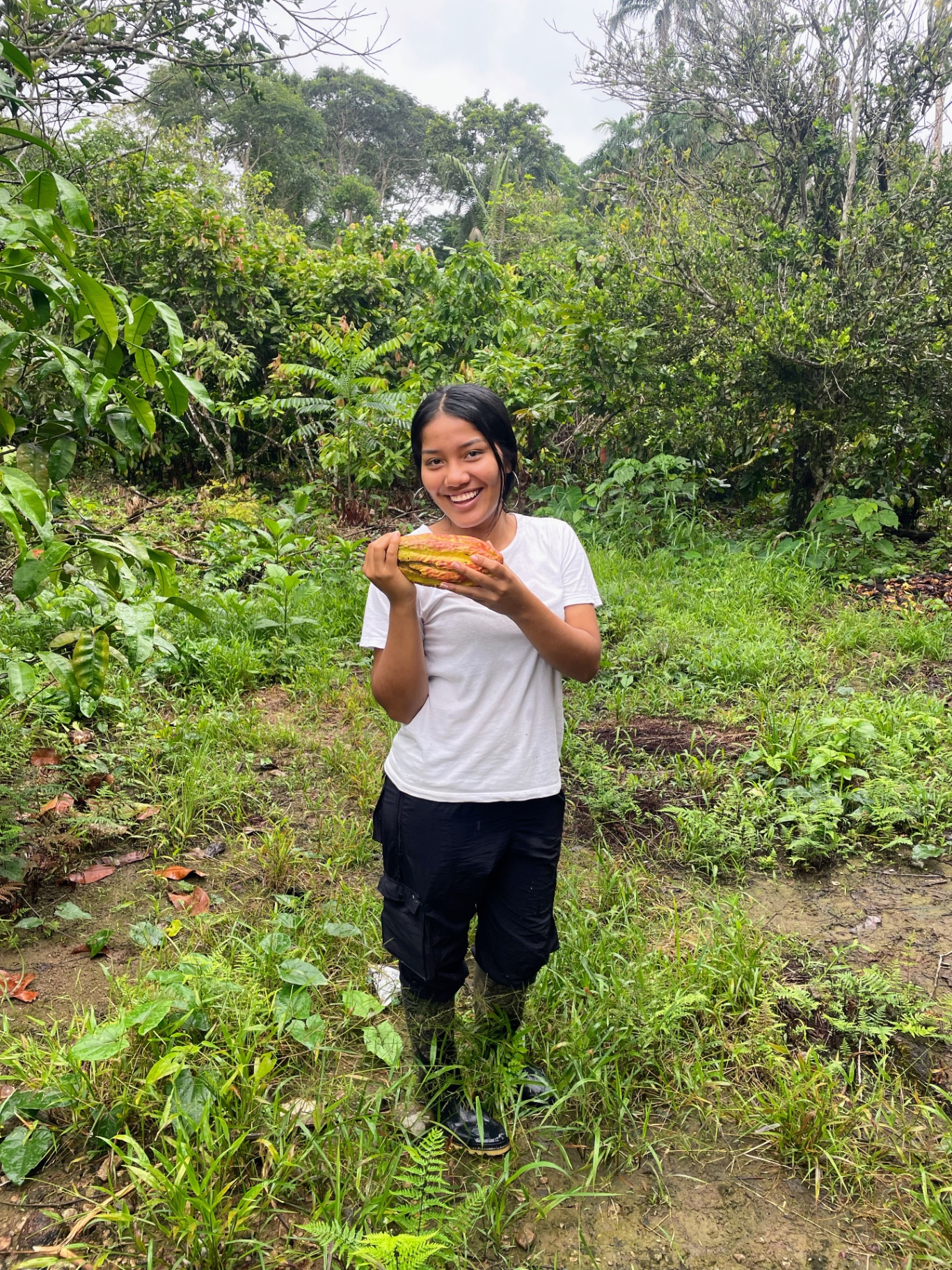
03Regenerative Agriculture
- Land assessment complete
- Bio-factory plans created
- Community buy-in on cacao vision and importance of food security
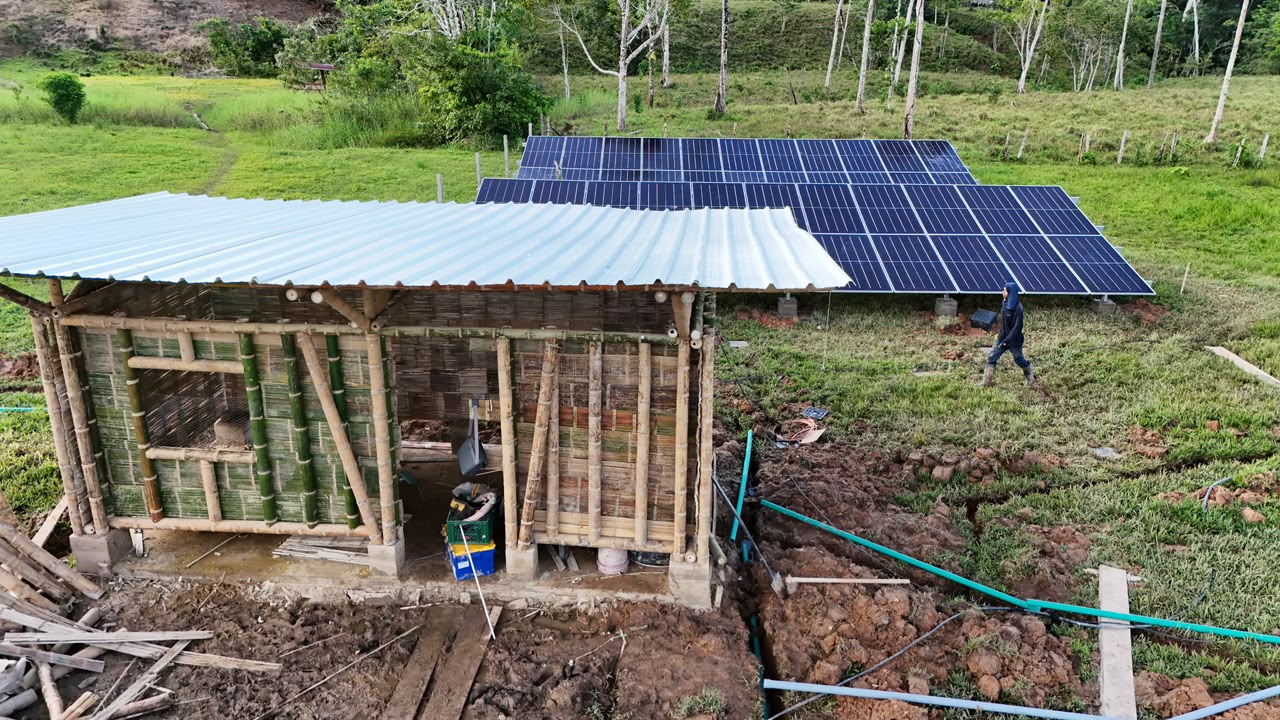
04Renewable Energy
- 27.5 kW solar with 35 kWh of storage, online with live monitoring
- Bitcoin miners designed and committed
05Education and Lifelong Learning
- Elementary school reopened
- 3 Indigenous youth self-selected for Bitcoin education & leadership


Results measured through 3 Success Lenses:
- Health & Wellbeing
- Local Economic Opportunity
- Cultural & Ceremonial Continuity
True success is measured when the communities' fresh income streams and skills support their raised living standards, ceremonies are hosted both on their own land & abroad, and when new donations go to seeding the blueprint in the next Indigenous medicine community.
THE MODEL
The Sovereignty Blueprint Curve
Dependency declines. Capacity increases. Community rises.
External support
Seed capital, partners
Community capacity
Skills, ownership, assets
A community that owns, runs, and thrives from what was co-created. That is the measure of success.
What happens when the entrepreneurs and innovators join forces with the master shamans and indigenous nations? Collective sovereignty beyond our wildest imagination.
What's next in El Diviso
BUILD ONE
The Guest House
The community has always received people who come to heal, this allows them to formalize their offering into a holistic business model. El Nido gives that a home, and solidifies the community's building skills.
Twelve guest capacity across six rooms, raised on stilts under a roof woven from local bamboo materials. The walls are compressed earth block, pressed from the ground the house stands on. The frame is bamboo cut across the river.

Early concept studies for El Nido, developed with the architectural team. Room count and layout are still in design.

BUILD TWO
Food Security Pilot.
Decades of aerial fumigation left the ground stripped. The soil is the floor every other pillar stands on, and a community biofactory now makes what it needs on site.
Half a hectare for every family that chooses it. Seventeen families. Yuca, plantain, maize, beans, rice, ají, pineapple and papaya, alongside the medicinal plants the culture depends on. Each plot mapped with the family, on their own land. The half-hectare proposal came from the community, named by the elders in June.
BUILD THREE
Modular bamboo homes
First, El Diviso rebuilds their own houses, then they turn those skills into productivity and opportunity.
A replicable house shaped like the wings of the macaw (guacamaya). For the Kofán, the guacamaya holds the sky while the people hold the ground. The first Kofán modular home carries that into its shape: a sweeping roof like open wings, raised on stilts like the bird resting in the treetops. Designed together with the community it belongs to.
A 72.8 m² core that grows to 96.8 m², with a productive room for a workshop or trade, assembled from bamboo panels made at the community's own facility.
A finished home is a later phase, and we say so plainly. This year funds the production facility and the first foundations.

Concept design by TribalBamboo with Allpa Maqui, HSRM University of Applied Sciences and Arts, and LF Canon Engineering.
HOW THE PILLARS FEED EACH OTHER
One pillar's waste is another pillar's foundation.
Off-cuts from the bamboo workshop become biochar for the food plots. The same bamboo raises the biofactory that makes it.
A system designed to feed itself costs less every year it runs.